




Tosèla di Primiero
When Tosèla sizzles in butter, it feels like home in Primiero. A fresh, simple cheese that tells one of the valley's most authentic culinary stories
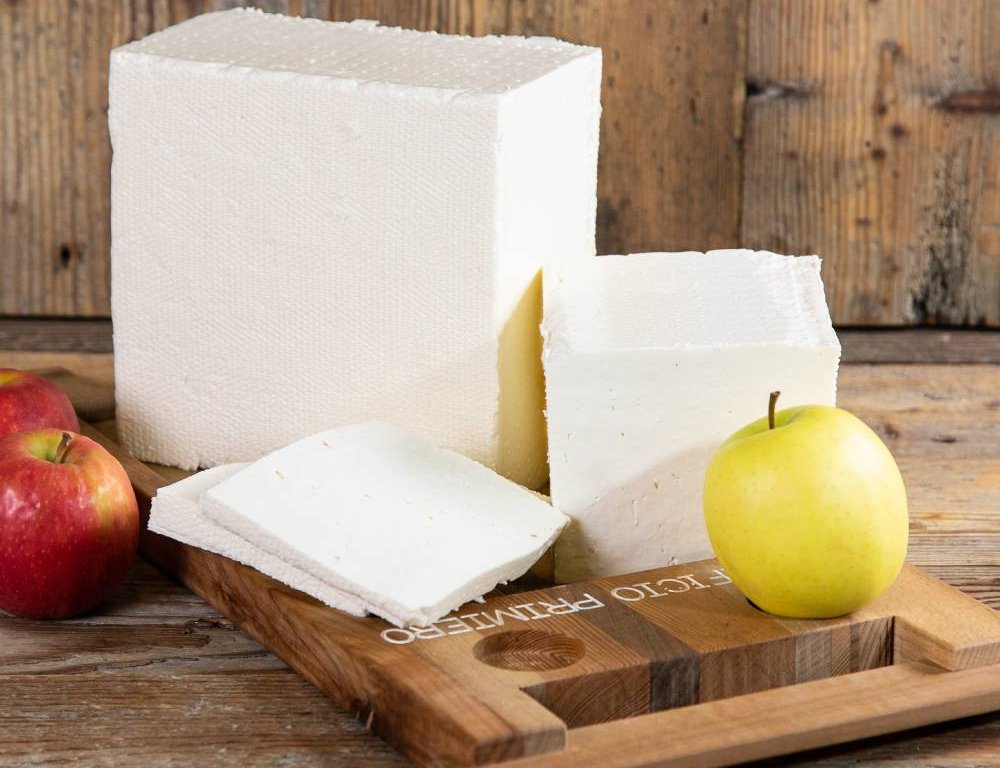
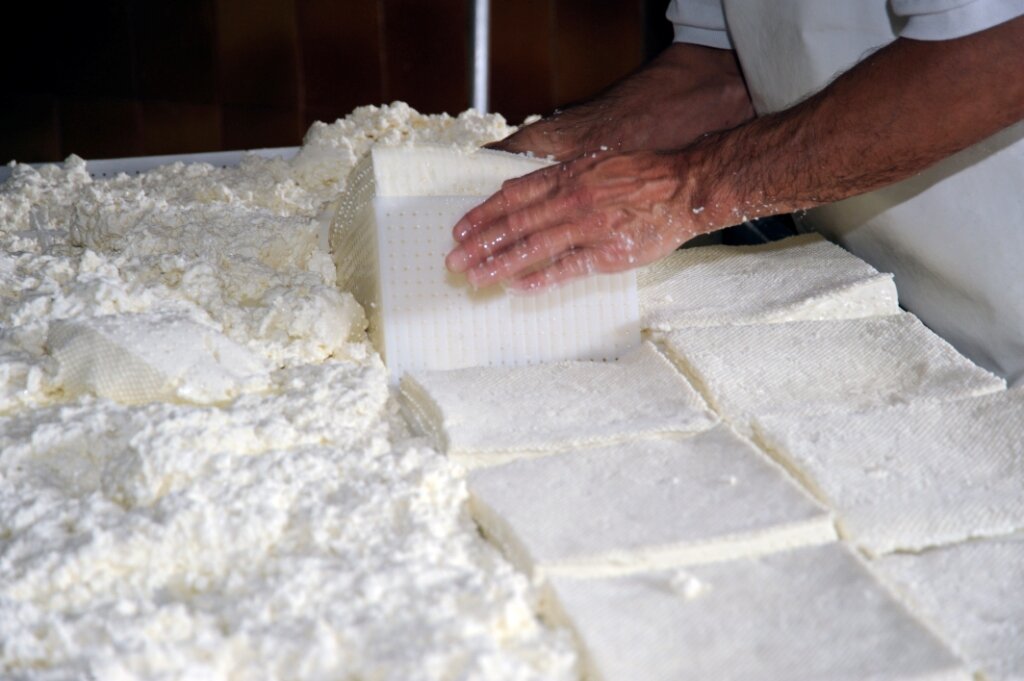
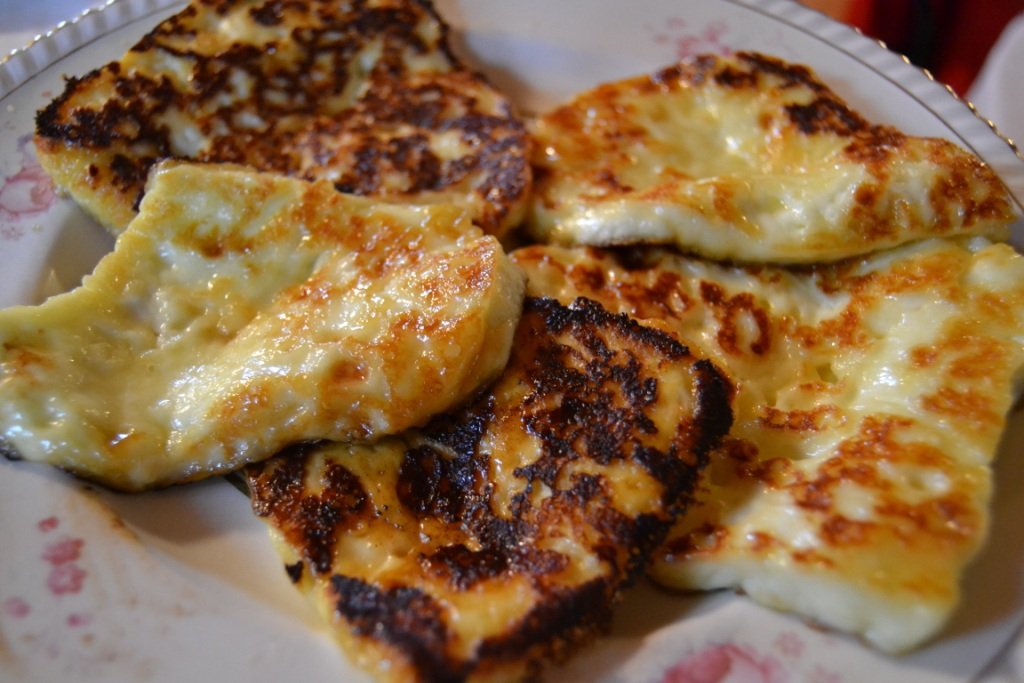
Some flavours are so deeply connected to a place that they become part of its identity. In Primiero, one of these is undoubtedly Tosèla, a fresh cheese that has been part of local culinary traditions for generations and still holds a special place in the home cooking of the valley.
In the past, it was made at home using freshly milked milk collected every day. What began as a way of making the most of a precious ingredient gradually became a true speciality of the local cuisine.
Tosèla is a fresh cheese with a compact, rindless paste, white in colour and naturally unsalted. Technically, it is a curd which, once cut, is placed directly into a mould, giving it its characteristic square shape.
Its distinctive character comes above all from its raw material: it is made with freshly milked cow's milk, processed to preserve the milk's freshness and natural characteristics. The cheese therefore retains subtle notes linked to the cows' diet and the mountain pastures, together with the unmistakable aroma of fresh milk.
On the palate, it is sweet and delicate, developing into pleasant milky notes. But Tosèla is above all a cheese to be enjoyed fresh: its freshness is an essential part of its identity, and it should be consumed within 2-3 days of production.
And then there is the most traditional way to enjoy it: cooked in a pan with butter, until it sizzles. The heat makes it soft and golden on the outside, while the centre remains tender and creamy. A wonderfully simple dish that captures the genuine character of mountain cooking.
Tosèla needs no ageing to tell the story of its territory: all it needs is fresh milk, butter in the pan and a tradition that, in Primiero, tastes like home
Antica ricetta primierotta:
Viene fatta a fette alte circa un centimetro, si passano in padella con fondo di spessore grosso, nel burro fuso, per qualche minuto. Quando le fette hanno assunto il color bruno dorato, si servono in tavola con la polenta calda o abbrustolita.
Recipes

Experiences

Il paese delle meraviglie artigianali
Passo Cereda, Agritur Broch | Tutti i mercoledì, dal 17 giugno al 2 settembre, ore 9.30
Events
